
Bridal Nikah Dresses UK 2026
Deemas Fashion offers made-to-measure Bridal Nikah Dresses designed for dignity, clarity, and ceremony. Morning light entering a London mosque, the dress settling without adjustment. The Nikah is not a performance. It is a declaration witnessed by family, community, and faith. The dress worn at this moment must reflect that distinction. Not louder than the words spoken. Not quieter than the significance carried.
At Deemas Fashion, Bridal Nikah Dresses are approached as ceremonial garments rather than abbreviated wedding gowns. This difference shapes every decision. The cut prioritises composure. The structure supports sitting, standing, and stillness. The design communicates respect before glamour. In Birmingham, where Nikah ceremonies often take place within close-knit family settings, restraint reads as confidence. In London venues, where cultures and traditions intersect, clarity becomes essential. A Nikah dress must leave no ambiguity about intention.
Colour selection is often the first point of hesitation. White is traditional, but not obligatory. Across South Asian history, Nikah garments appeared in pearl, soft gold, pale olive, muted blush, and stone tones. These colours carry humility without erasing individuality. They also behave better under indoor lighting, avoiding harsh contrast. Coverage is another concern, often misunderstood. Modesty is not achieved by excess fabric alone. It is achieved through intelligent layering, proportion, and balance. A well-designed Nikah dress allows the bride to move through the ceremony without self-consciousness. No constant checking. No adjustment. Just presence. Families bring expectations. Brides bring personal taste. The most successful Nikah dresses are those that make both feel at ease. When a garment clearly belongs to the ceremony, conversations soften. That clarity is what we design for.
-
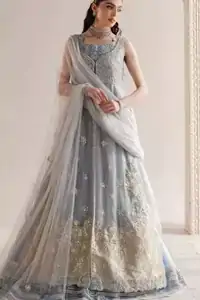
Ice Blue Front Open Gown Inner Maxi
Sale! Original price was: £ 1,300.£ 780Current price is: £ 780. -
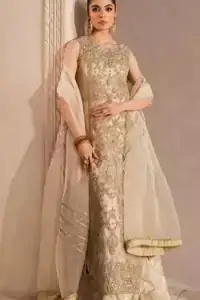
Ivory Side Slits Long Shirt Sharara Dupatta
Sale! Original price was: £ 1,200.£ 720Current price is: £ 720. -
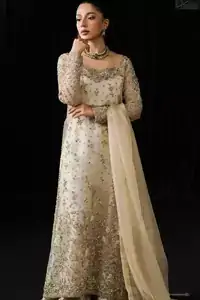
Ivory Long Shirt Sharara Dupatta
Sale! Original price was: £ 1,250.£ 750Current price is: £ 750. -
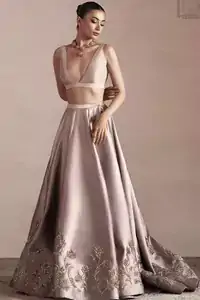
Oyster Pink Blouse Back Train Lehenga Veil
Sale! Original price was: £ 1,400.£ 840Current price is: £ 840. -
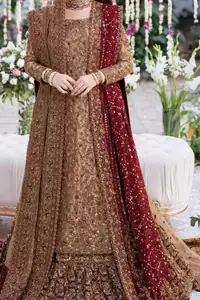
Copper Long Shirt Farshi Lehenga Maroon Dupatta
Sale! Original price was: £ 2,300.£ 1,380Current price is: £ 1,380. -
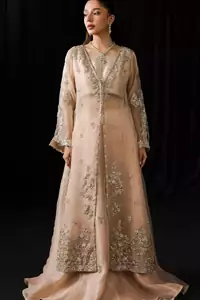
Pale Pink Front Open Jacket Lehenga
Sale! Original price was: £ 820.£ 492Current price is: £ 492. -
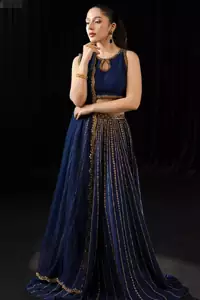
Navy Blue Lehenga Blouse Dupatta
Sale! Original price was: £ 1,200.£ 720Current price is: £ 720. -
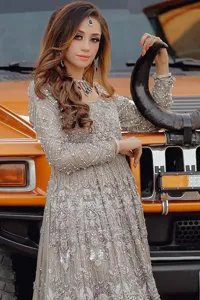
Fawn Back Train Maxi Dupatta for Nikah
Sale! Original price was: £ 2,050.£ 1,230Current price is: £ 1,230. -
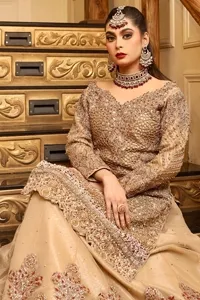
Beige Scalloped Shirt Can Can Lehenga
Sale! Original price was: £ 1,850.£ 1,110Current price is: £ 1,110. -
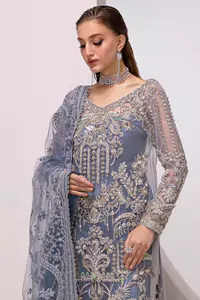
Blue Shirt Dupatta Sharara for Nikah
Sale! Original price was: £ 1,280.£ 768Current price is: £ 768. -
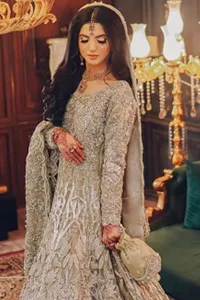
Fawn Back Train Scalloped Maxi Dupatta
Sale! Original price was: £ 2,450.£ 1,470Current price is: £ 1,470. -
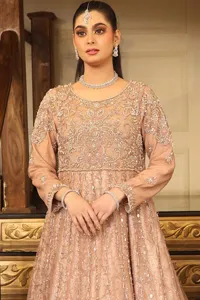
Fawn Flared Scalloped Maxi Can Can Lehenga
Sale! Original price was: £ 1,820.£ 1,092Current price is: £ 1,092. -
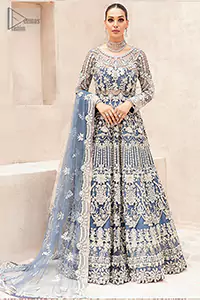
Slate Gray Full Length Maxi Dupatta for Nikah
Sale! Original price was: £ 2,250.£ 1,350Current price is: £ 1,350. -
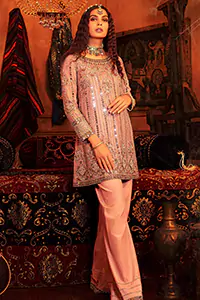
Salmon Pink Short Shirt Palazzo Pants
Sale! Original price was: £ 1,800.£ 1,080Current price is: £ 1,080. -
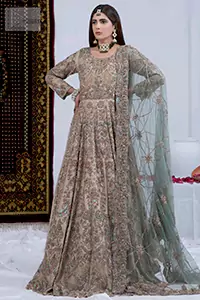
Beige Maxi Mint Green Dupatta
Sale! Original price was: £ 2,050.£ 1,230Current price is: £ 1,230. -
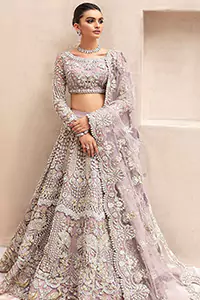
Pastel Pink Lehenga Short Blouse Dupatta for Nikah Bride
Sale! Original price was: £ 2,250.£ 1,350Current price is: £ 1,350. -
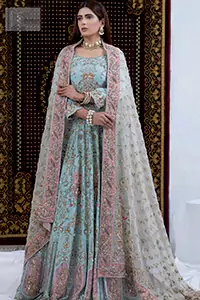
Aqua Full Length Maxi Ivory Dupatta for Nikah Bride
Sale! Original price was: £ 1,850.£ 1,110Current price is: £ 1,110. -
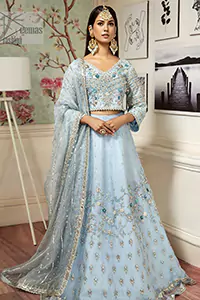
Sky Blue Blouse Lehenga Dupatta for Nikah Bride
Sale! Original price was: £ 1,400.£ 840Current price is: £ 840. -
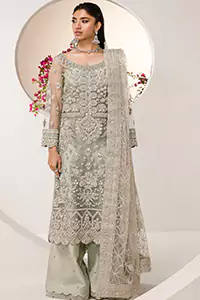
Mint Long Shirt Scalloped Palazzo Pants for Nikah
Sale! Original price was: £ 1,800.£ 1,080Current price is: £ 1,080. -

Salmon Pink Tissue Sharara Shirt Net Dupatta
Sale! Original price was: £ 1,900.£ 1,140Current price is: £ 1,140. -
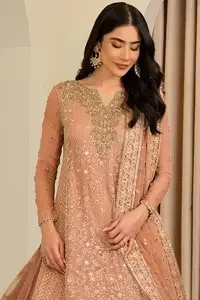
Salmon Pink Shirt Sharara Dupatta for Nikah
Sale! Original price was: £ 2,050.£ 1,230Current price is: £ 1,230. -
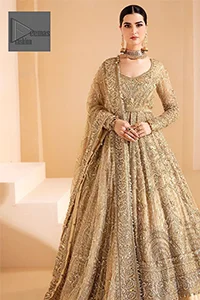
Light Golden Front Open Maxi – Can-Can Lehenga
Sale! Original price was: £ 2,290.£ 1,374Current price is: £ 1,374. -
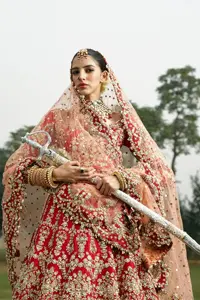
Bright Red Blouse – Flared Lehenga n Peach Dupatta
Sale! Original price was: £ 2,350.£ 1,410Current price is: £ 1,410. -

Pearl White Blouse – Can-Can Lehenga n Dupatta
Sale! Original price was: £ 2,450.£ 1,470Current price is: £ 1,470. -
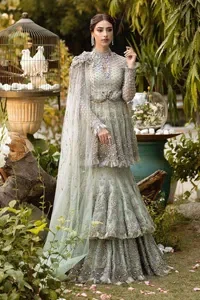
Soft Green Peplum – Double Layered Lehenga
Sale! Original price was: £ 2,050.£ 1,230Current price is: £ 1,230. -
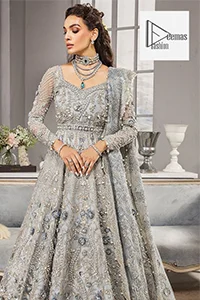
Gray Flared Heavy Maxi n Dupatta
Sale! Original price was: £ 2,280.£ 1,368Current price is: £ 1,368. -
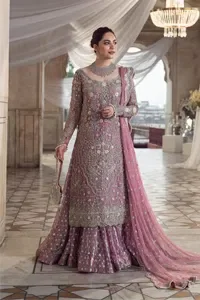
Violet Scalloped Long Shirt Silky Tea Rose Lehenga
Sale! Original price was: £ 1,980.£ 1,188Current price is: £ 1,188. -
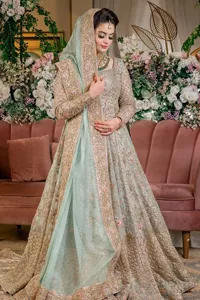
Aqua Blue Heavy Maxi – Back Train Lehenga n Dupatta
Sale! Original price was: £ 2,350.£ 1,410Current price is: £ 1,410. -
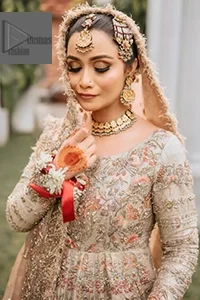
Light Fawn Flared Frock – Plain Lehenga – Embroidered Dupatta
Sale! Original price was: £ 2,200.£ 1,320Current price is: £ 1,320. -
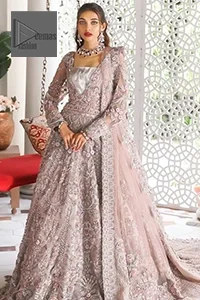
Tea Rose Back Train Heavy Maxi Lehenga – Dupatta
Sale! Original price was: £ 2,450.£ 1,470Current price is: £ 1,470. -
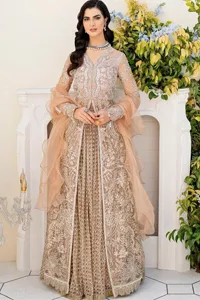
Light Brown Front Open Gown Flared Lehenga – Dupatta
Sale! Original price was: £ 2,010.£ 1,206Current price is: £ 1,206. -
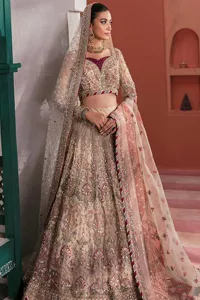
Peach Blouse – Can Can Lehenga n Dupatta
Sale! Original price was: £ 2,150.£ 1,290Current price is: £ 1,290. -
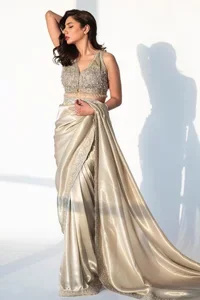
Silver Embellished Blouse n Flared Saree
Sale! Original price was: £ 1,980.£ 1,188Current price is: £ 1,188. -
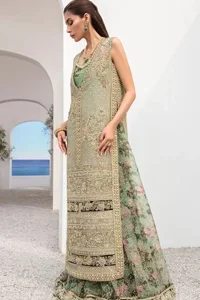
Mint Green Long Shirt – Flared Lehenga
Sale! Original price was: £ 1,080.£ 648Current price is: £ 648. -
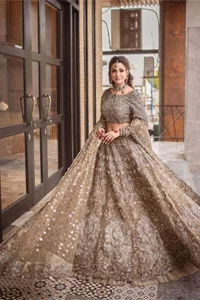
Brown Blouse – Frilled Lehenga n Dupatta
Sale! Original price was: £ 2,250.£ 1,350Current price is: £ 1,350. -
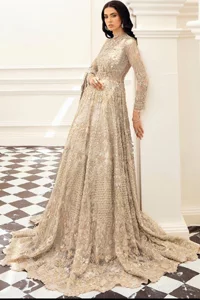
Ivory Scalloped Flared Maxi – Dupatta
Sale! Original price was: £ 2,150.£ 1,290Current price is: £ 1,290. -
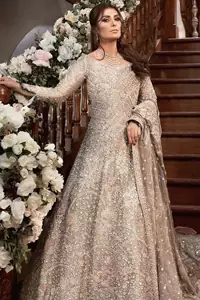
Fawn Ruffled Back Train Maxi – Dupatta
Sale! Original price was: £ 2,350.£ 1,410Current price is: £ 1,410. -
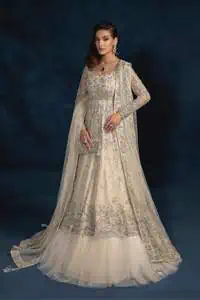
Off White Frock – Flared Lehenga n Dupatta
Sale! Original price was: £ 1,980.£ 1,188Current price is: £ 1,188. -
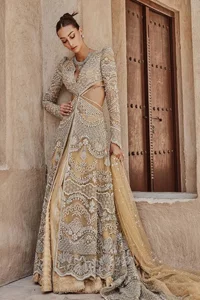
Golden Front Open Gown – Lehenga n Dupatta
Sale! Original price was: £ 2,150.£ 1,290Current price is: £ 1,290. -
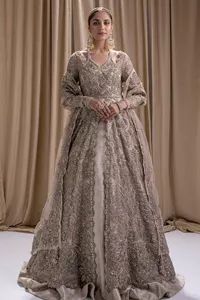
Nikah Bridal Wear Light Fawn Front Open Heavy Maxi – Lehenga
Sale! Original price was: £ 2,300.£ 1,380Current price is: £ 1,380.
What makes a Nikah dress different from a wedding gown?
Purpose :- A standard wedding gown is designed for spectacle. A Nikah dress is designed for witness. The distinction affects silhouette, embellishment, and movement. Nikah garments are calmer. They allow the bride to sit comfortably, listen attentively, and speak without distraction. This is why converting a wedding gown into a Nikah dress often fails. Ceremony demands a different logic.
Which colours are appropriate for a Nikah dress beyond white?
More than tradition admits. White symbolises purity, but so do ivory, almond, pearl grey, soft pistachio, and muted gold. Historically, colour choices reflected region, season, and availability rather than rigid rules. In Birmingham ceremonies held indoors, warmer neutrals soften lighting and skin tone. In London settings with mixed daylight, subdued colours photograph with balance and depth. Bold colour is not prohibited. It must be deliberate. A deep tone with restrained detailing reads intentional. Excessive contrast does not.
How can a bride remain modest without feeling severe?
Through proportion, not restriction. Modesty is achieved when the garment holds itself together. Coverage that shifts or requires constant attention defeats its purpose. Layered construction, controlled transparency, and thoughtful shaping allow modesty to feel natural rather than imposed. A Nikah dress should feel calm on the body. If it does not, the design is wrong.
Is it acceptable to use sheer panels or lace in a Nikah dress?
Yes. When intention is clear. Sheer elements become appropriate when fully lined or layered in a way that preserves opacity. Lace, net, or fine embroidery can exist without exposing the body. Texture is not the enemy. Ambiguity is.
How do brides navigate family expectations respectfully?
By choosing clarity over debate. When a Nikah dress unmistakably belongs to the ceremony, resistance decreases. Families respond to visual cues. A disciplined silhouette, respectful colour, and composed detailing reassure elders without silencing the bride. This is not compromise. It is communication.
What fabrics support comfort during the Nikah ceremony?
Those that respond to stillness. The ceremony involves sitting, standing, and remaining composed for extended periods. Fabrics must breathe, recover shape, and avoid clinging. Lightweight silks, matte satins, and layered constructions perform consistently well. Heavy fabrics that rely on stiffness should be reserved for later events.
Are high necklines and floor-length sleeves required?
No. Nikah modesty does not mandate uniform coverage. What matters is that the garment remains appropriate in movement and posture. A well-balanced neckline or sleeve length can be modest without being extreme. Rigid rules misunderstand the spirit of the ceremony.
How do brides ensure a Nikah dress feels personal?
Through meaning, not excess. Personalisation can appear in subtle embroidery, symbolic motifs, or colour choice. These elements speak quietly, but clearly. A Nikah dress does not need to announce individuality. It needs to hold it.
What are the most common anxieties brides express?
They fall into three patterns.
- Fear of appearing underdressed: Resolved through proportion and presence, not volume.
- Fear of cultural missteps: Addressed by understanding the ceremony’s intent.
- Fear of discomfort: Eliminated through correct structure and fit.
How does Deemas Fashion address online ordering concerns?
By replacing assumptions with process. Fit anxiety is reduced through multi-point measurement and posture consideration. Fabric uncertainty is resolved by selecting materials that behave predictably during long wear. Delivery timing is managed by aligning production schedules with ceremony dates. These are design decisions, not promises.
Is it acceptable to wear non-traditional embroidery?
Yes. When symbolism is respected. Nikah garments historically reflected regional identity. Modern interpretations may use contemporary motifs while maintaining restraint. Cultural appreciation lies in intention, not replication.
Does a Nikah dress hold long-term value?
Historically, yes. Nikah garments were preserved, altered, and passed down. Their value lay in quality, not trend. Dresses designed with restraint age better, both materially and culturally.
Senior stylist perspective
A Nikah dress should feel settled the moment it is worn. If a bride feels the need to explain her choice, something has been missed. When the design is correct, the ceremony flows without interruption. At Deemas Fashion, Nikah commissions are limited by design capacity. Ceremony dates do not move. Decisions should not be delayed.
Showing 1–40 of 314 resultsSorted by latest