
-
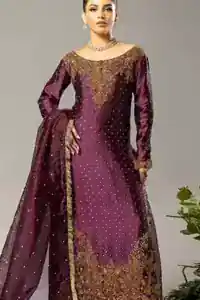
Deep Plum Long Shirt Straight Trousers
Sale! Original price was: £ 900.£ 540Current price is: £ 540. -
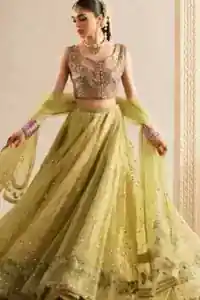
Pink Blouse Lime Green Lehenga Dupatta
Sale! Original price was: £ 1,500.£ 900Current price is: £ 900. -
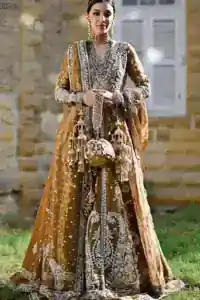
Copper Front Open Maxi Lehenga Dupatta
Sale! Original price was: £ 1,700.£ 1,020Current price is: £ 1,020. -
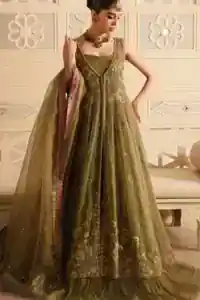
Olive Green Front Open Gown Crushed Lehenga
Sale! Original price was: £ 1,500.£ 900Current price is: £ 900. -
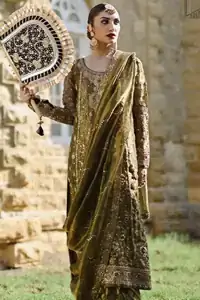
Olive Green Long Shirt Palazzo Pants Dupatta
Sale! Original price was: £ 1,350.£ 810Current price is: £ 810. -
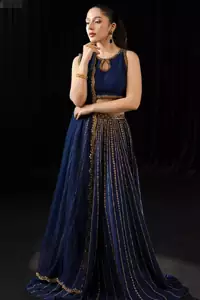
Navy Blue Lehenga Blouse Dupatta
Sale! Original price was: £ 1,200.£ 720Current price is: £ 720. -
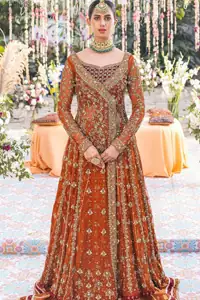
Rust Angrakha Farshi Lehenga Red Dupatta
Sale! Original price was: £ 2,100.£ 1,260Current price is: £ 1,260. -
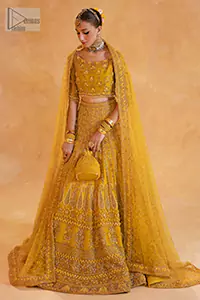
Mustard Lehenga Blouse Dupatta for Mehndi Bride
Sale! Original price was: £ 2,250.£ 1,350Current price is: £ 1,350. -
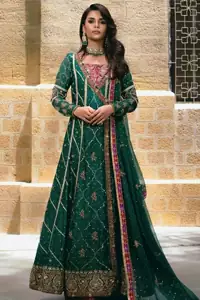
Bottle Green Angrakha Palazzo Pants Dupatta
Sale! Original price was: £ 1,600.£ 960Current price is: £ 960. -
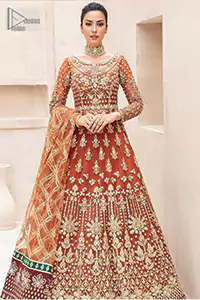
Rust Full Length Pishwas Lehenga Mehndi Bride
Sale! Original price was: £ 1,900.£ 1,140Current price is: £ 1,140. -
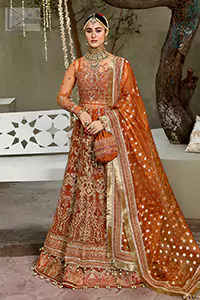
Rust Wide Flare Maxi – Lehenga for Mehndi Bride
Sale! Original price was: £ 1,900.£ 1,140Current price is: £ 1,140. -
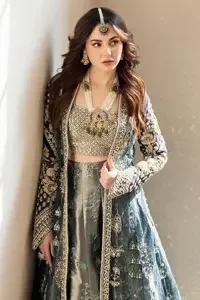
Teal Front Open Gown Blouse Lehenga
Sale! Original price was: £ 1,920.£ 1,152Current price is: £ 1,152. -
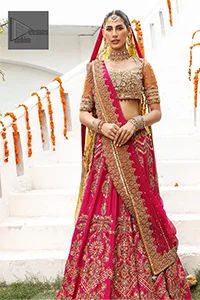
Rust Blouse – Shocking Pink Flared Lehenga n Dupatta
Sale! Original price was: £ 1,920.£ 1,152Current price is: £ 1,152. -
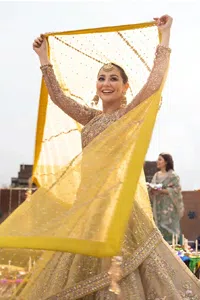
Tea Rose Blouse – Double Tone Lehenga – Yellow Dupatta
Sale! Original price was: £ 2,150.£ 1,290Current price is: £ 1,290. -
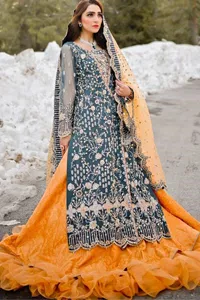
Teal Blue Scalloped Long Shirt – Frilled Lehenga n Dupatta
Sale! Original price was: £ 1,180.£ 708Current price is: £ 708. -

Royal Blue Blouse – Lehenga n Dupatta
Sale! Original price was: £ 1,450.£ 870Current price is: £ 870. -
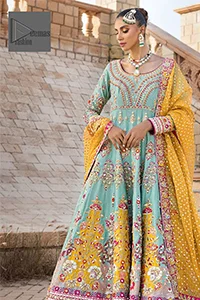
Turquoise Frock – Orange Lehenga n Yellow Dupatta
Sale! Original price was: £ 2,200.£ 1,320Current price is: £ 1,320. -
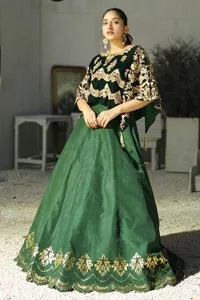
Deep Green Velvet Top n Scalloped Lehenga
Sale! Original price was: £ 420.£ 252Current price is: £ 252. -
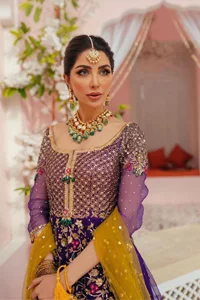
Plum Frock – Lehenga n Golden Dupatta
Sale! Original price was: £ 1,450.£ 870Current price is: £ 870. -
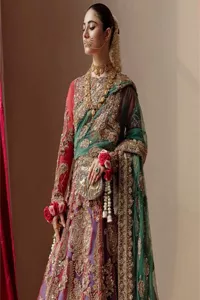
Multiple Colour Maxi – Sky Blue Lehenga n Green Dupatta
Sale! Original price was: £ 2,250.£ 1,350Current price is: £ 1,350. -
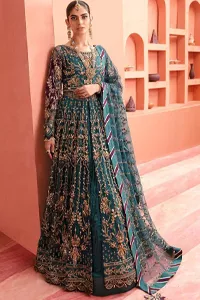
Teal Green Scalloped Pishwas – Lehenga n Dupatta
Sale! Original price was: £ 1,550.£ 930Current price is: £ 930. -
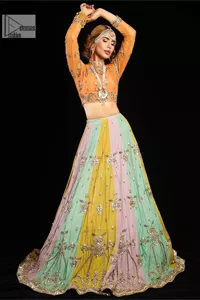
Light Orange Blouse – Multicolour Lehenga – Dupatta
Sale! Original price was: £ 1,680.£ 1,008Current price is: £ 1,008. -
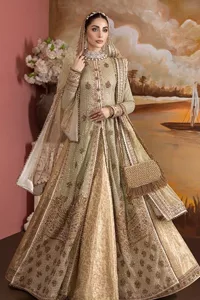
Pale Green Front Open Shirt – Golden Lehenga n Dupatta
Sale! Original price was: £ 2,250.£ 1,350Current price is: £ 1,350. -
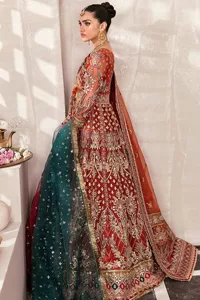
Deep Rust Heavy Angrakha n Lehenga – Green Dupatta
Sale! Original price was: £ 2,250.£ 1,350Current price is: £ 1,350. -
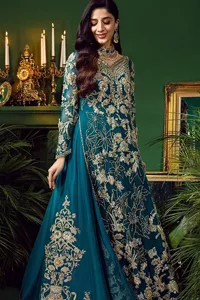
Teal Blue Scalloped Long Shirt – Lehenga n Dupatta
Sale! Original price was: £ 2,050.£ 1,230Current price is: £ 1,230. -
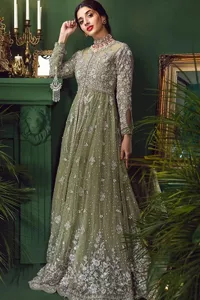
Soft Green Front Open Maxi – Lehenga n Dupatta
Sale! Original price was: £ 1,980.£ 1,188Current price is: £ 1,188. -
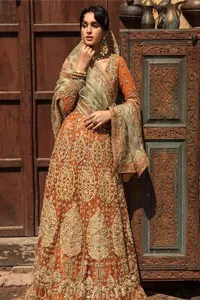
Rust Heavy Maxi n Soft Green Dupatta
Sale! Original price was: £ 1,950.£ 1,170Current price is: £ 1,170. -
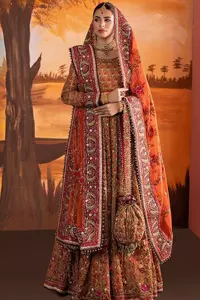
Rust Flare Heavy Maxi – Dupatta
Sale! Original price was: £ 2,400.£ 1,440Current price is: £ 1,440. -
![Take your style quotient up a few notches in this exquisite mehndi outfit! ]The maxi in mustard colour is a ravishing bridal attire with a magnificent elite and classy appearance. Gorgeous and glamorous multiple-colour embroideries enhance the showiness of this maxi. It is further intensified with tilla, dabka, kora, Kundan and details of thread embroidery. Full sleeves, boat shape neckline and sparkling work make it a perfect traditional wear. It is coordinated with a scalloped dupatta in the same colour which is embellished with four-sided borders and floral motifs all over to make this outfit unique and aesthetic.](https://deemasfashion.com/wp-content/uploads/2022/09/Mustard-heavy-maxi-dupatta-thumb.webp)
Mustard Heavy Maxi – Scalloped Dupatta
Sale! Original price was: £ 1,644.£ 987Current price is: £ 987. -
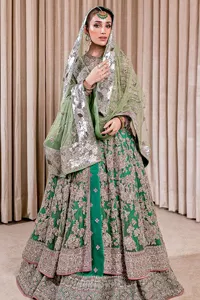
Teal Green Front Open Maxi – Lehenga n Dupatta
Sale! Original price was: £ 2,350.£ 1,410Current price is: £ 1,410. -
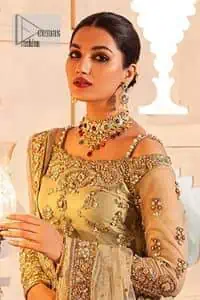
Olive Green Short Shirt – Double Layer Lehenga
Sale! Original price was: £ 1,080.£ 648Current price is: £ 648. -
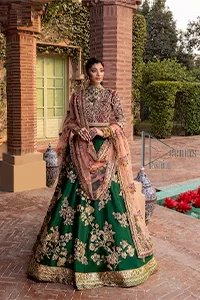
Red Blouse – Green Can Can Lehenga n Dupatta
Sale! Original price was: £ 2,000.£ 1,200Current price is: £ 1,200. -
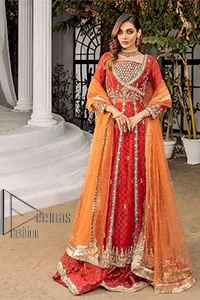
Red Anarkali – Lehenga – Rust Dupatta
Sale! Original price was: £ 1,150.£ 690Current price is: £ 690. -

Olive Front Open Shirt – Crushed Sharara – Pleated Dupatta
Sale! Original price was: £ 1,150.£ 690Current price is: £ 690. -

Teal Blue Paneled Anarkali – Brocade lehenga
Sale! Original price was: £ 2,050.£ 1,230Current price is: £ 1,230. -
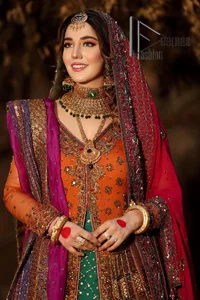
Rust Front Open Shirt – Green Lehenga – Colourful Dupatta
Sale! Original price was: £ 1,950.£ 1,170Current price is: £ 1,170. -
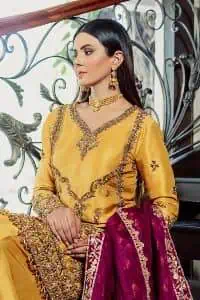
Yellow Shirt Straight Trousers – Magenta Dupatta
Sale! Original price was: £ 1,690.£ 1,014Current price is: £ 1,014. -

Ivory Short Shirt n Pant – Rust Dupatta
Sale! Original price was: £ 950.£ 570Current price is: £ 570. -
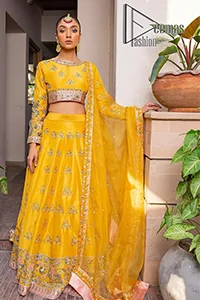
Bright Yellow Blouse Lehenga
Sale! Original price was: £ 1,250.£ 750Current price is: £ 750. -
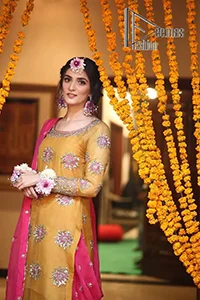
Mustard Shirt Gharara – Pink Dupatta
Sale! Original price was: £ 550.£ 330Current price is: £ 330.
Showing 1–40 of 183 resultsSorted by latest