
Front Open Gown UK 2026
-
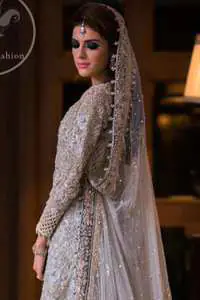
Light Gray Front Open Pishwas Blue Applique
Sale! Original price was: £ 2,050.£ 1,230Current price is: £ 1,230. -
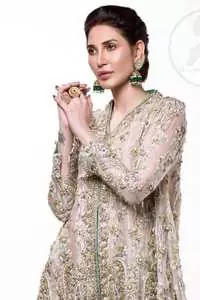
Oyster Pink Sides Down Short Frock Sharara
Sale! Original price was: £ 790.£ 474Current price is: £ 474. -
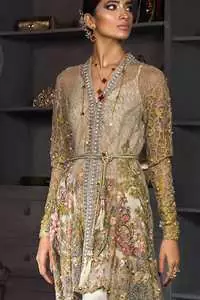
Light Green Front Open Short Frock Quill Gray Pants
Sale! Original price was: £ 941.£ 565Current price is: £ 565. -
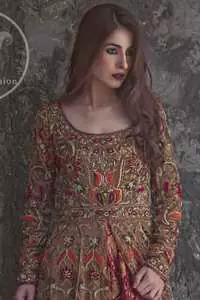
Dark Fone Brown Front Open Double Layer Frock Maroon Flush Dupatta
Sale! Original price was: £ 1,639.£ 984Current price is: £ 984. -
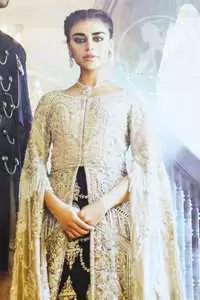
Ivory Front Open Long Shirt – Black Sharara
Sale! Original price was: £ 1,500.£ 900Current price is: £ 900. -

Brown Bodice Deep Red Front Open Back Trail Frock Lehenga
Sale! Original price was: £ 2,156.£ 1,293Current price is: £ 1,293. -
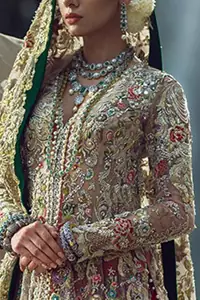
Light Fawn Front Slits Gown – Red Lehenga – Light Pistachio
Sale! Original price was: £ 2,250.£ 1,350Current price is: £ 1,350. -
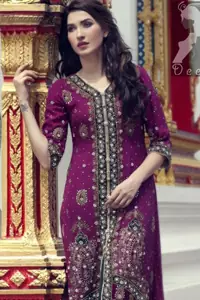
Dark Purple Front Open Back Train Gown – Navy Blue Trousers
Sale! Original price was: £ 540.£ 324Current price is: £ 324. -
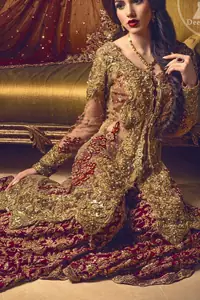
Light Fawn Front Open Gown – Deep Red Sharara
Sale! Original price was: £ 2,124.£ 1,274Current price is: £ 1,274. -
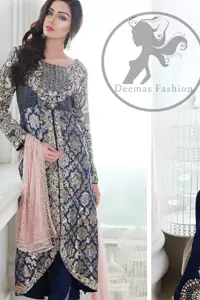
Navy Blue Front Open Back Trail Gown – Embroidered Cigarette Pants
Sale! Original price was: £ 713.£ 428Current price is: £ 428. -
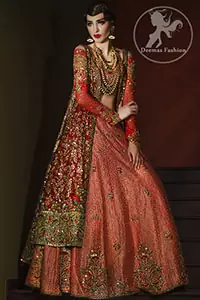
Deep Red Gown – Dark Peach Lehenga
Sale! Original price was: £ 1,662.£ 997Current price is: £ 997. -
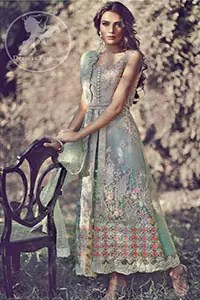
Mint Green Front Open Bridal Gown – Embroidered Dupatta
Sale! Original price was: £ 1,290.£ 774Current price is: £ 774. -
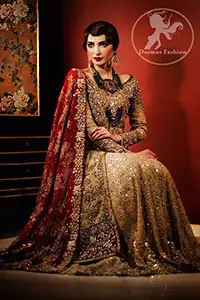
Golden Front Open Back Trail Gown – Lehenga – Deep Red Dupatta
Sale! Original price was: £ 2,049.£ 1,230Current price is: £ 1,230. -
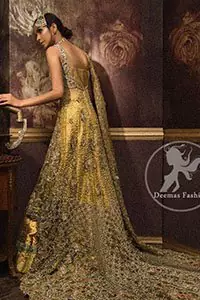
Golden Front Open Back Trail Gown – Bridal Lehenga
Sale! Original price was: £ 2,118.£ 1,271Current price is: £ 1,271. -
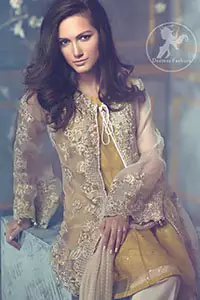
Beige Front Open Gown – Golden Shirt – Embroidered Bell Bottom
Sale! Original price was: £ 577.£ 346Current price is: £ 346. -
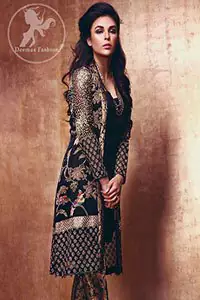
Black Embroidered Gown – Jamawar Cigarette Pants
Sale! Original price was: £ 524.£ 314Current price is: £ 314. -
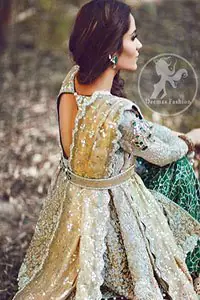
Light Fawn Front Open Shirt – Bottle Green Lehenga
Sale! Original price was: £ 2,118.£ 1,271Current price is: £ 1,271. -

Light Peach Front Open Gown
Sale! Original price was: £ 1,655.£ 993Current price is: £ 993. -
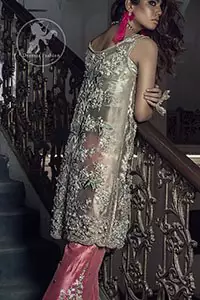
Fawn Embroidered Organza Gown – Deep Pink Bell Bottom Pants
Sale! Original price was: £ 751.£ 451Current price is: £ 451. -
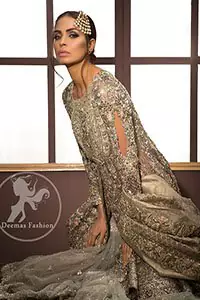
Light Fawn Embroidered Shirt – Dupatta – Gray Gharara
Sale! Original price was: £ 1,594.£ 956Current price is: £ 956. -
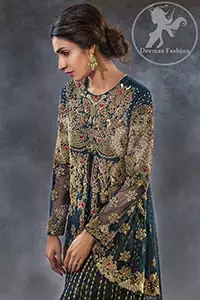
Dark Teal Back Trail Front Open Short Frock -Jamawar Sharara
Sale! Original price was: £ 941.£ 565Current price is: £ 565. -
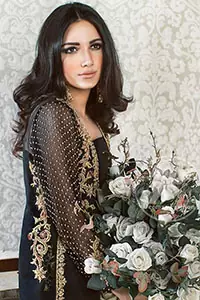
Black Party Wear Gown – Embroidered Cigarette Pants
Sale! Original price was: £ 460.£ 276Current price is: £ 276. -
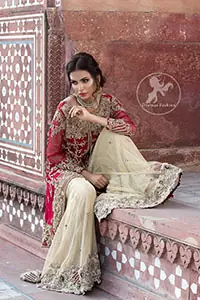
Deep Red Front Open Short Shirt – Beige Embroidered Sharara
Sale! Original price was: £ 720.£ 432Current price is: £ 432. -
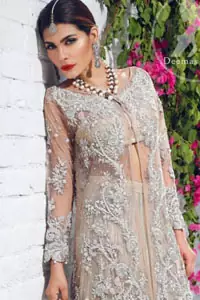
Beige Front Open Gown – Crushed Lehenga
Sale! Original price was: £ 760.£ 456Current price is: £ 456. -
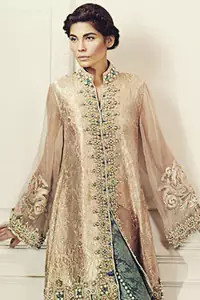
Pale Peach Front Open Gown – Gray Embroidered Capri Pants
Sale! Original price was: £ 550.£ 330Current price is: £ 330. -
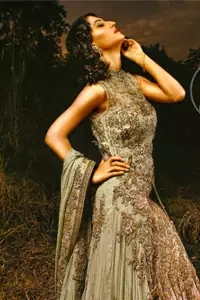
Light Green n Peach Double Layer Back Trail Maxi
Sale! Original price was: £ 1,960.£ 1,176Current price is: £ 1,176. -
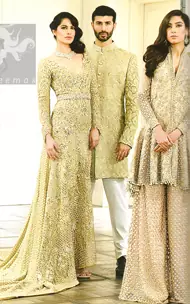
Designer Wear Formal Dresses – Back Trail Gown
Sale! Original price was: £ 1,900.£ 1,140Current price is: £ 1,140. -
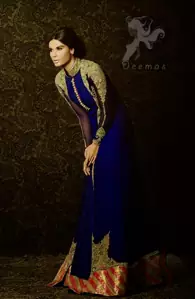
Designer Wear Pishwas – Royal Blue Front Open Gown
Sale! Original price was: £ 496.£ 298Current price is: £ 298. -
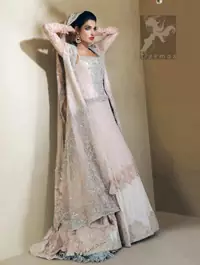
Light Pink Front Open Gown Back Trail Lehenga
Sale! Original price was: £ 1,708.£ 1,025Current price is: £ 1,025. -
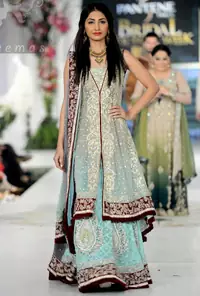
Light Blue Front Open Back Trail Gown – Bridal Lehenga
Sale! Original price was: £ 1,360.£ 816Current price is: £ 816. -
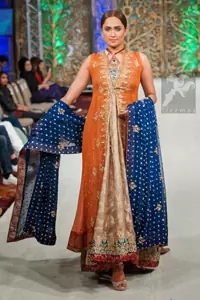
Rust Front Open Back Trail Gown -Beige Jamawar Back Trail Maxi
Sale! Original price was: £ 820.£ 492Current price is: £ 492. -
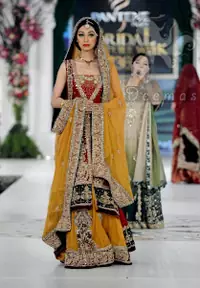
Mehndi Collection – Red Back Trail Gown – Yellow Lehenga
Sale! Original price was: £ 2,050.£ 1,230Current price is: £ 1,230. -
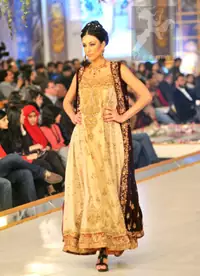
Wedding Outfit – Maroon Bridal Wear Gown – Beige A-line Frock
Sale! Original price was: £ 1,000.£ 600Current price is: £ 600. -
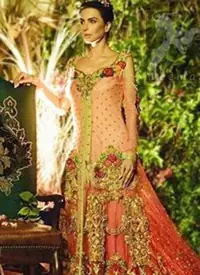
South Asian Bridal Wear Triple Tone Back Trail Gown
Sale! Original price was: £ 1,600.£ 960Current price is: £ 960. -
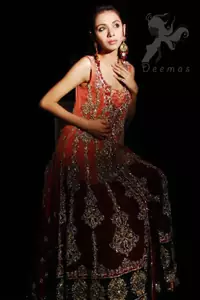
Double Tone Front Open Bridal Gown – Embroidered Sharara
Sale! Original price was: £ 683.£ 410Current price is: £ 410. -
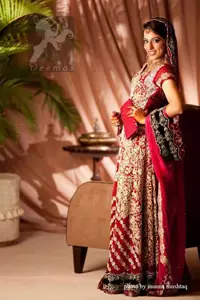
Red Heavy Embroidered Bridal Maxi n Dupatta with Black Applique
Sale! Original price was: £ 2,050.£ 1,230Current price is: £ 1,230. -
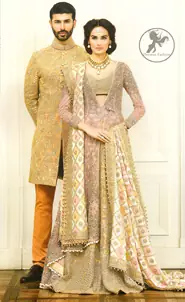
Multiple Colour Designer Wear Bridal Jacket – Lehenga
Sale! Original price was: £ 2,254.£ 1,353Current price is: £ 1,353. -
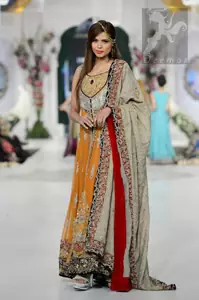
Orange Mehndi Wear Front Open Gown Dupatta
Sale! Original price was: £ 2,050.£ 1,230Current price is: £ 1,230. -
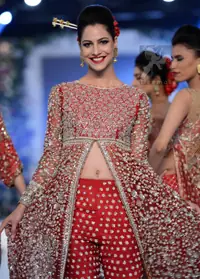
Bright Red Fully Embroidered Bridal Gown – Capri Pants
Sale! Original price was: £ 1,700.£ 1,020Current price is: £ 1,020. -

Latest Formal Wear Triple Tone Front Open Gown
Sale! Original price was: £ 680.£ 408Current price is: £ 408.
A front open dress is not merely a garment with a different closure. It is an architectural statement that places the wearer's confidence and posture at the very centre of the silhouette. For an event like a Nikah or Walima, this design choice is profoundly intentional. It creates a powerful, vertical line that draws the eye upward to the face, framing it for vows and photographs with a sense of elegant drama. Unlike a back-closed dress, which presents a finished picture to the world, a front open style engages the viewer—and the wearer—in a dynamic conversation. The movement of the panels as you walk, the subtle reveal with each gesture, adds a layer of kinetic sophistication. However, this power comes with a prerequisite. The golden rule for a front open dress is that its success is 90% dependent on flawless internal engineering, not just external adornment. A poorly constructed open front is a source of constant anxiety, gaping and shifting. A masterfully built one, with precisely calculated drape and secure, hidden closures, becomes a second skin of supreme confidence. It dictates a posture of owned elegance, where the bride is not hiding within her clothes but is presented by them.
The primary anxiety with a front open design, especially for a sacred or formal gathering, is the terrifying prospect of a wardrobe malfunction. This fear is not irrational with cheap construction. The failure points are numerous. Will the inner modesty panel stay flush, or will it buckle and twist? Are the decorative ties merely decorative, leaving the true security to flimsy snaps that pop under the tension of a deep breath or a hug? At Deemas, we treat the front opening as a structural challenge to be solved with tailor's calculus. The solution lies in a multi-layered approach. First, a custom-fitted, boned inner bodice—a corset in miniature—provides the foundational structure. The outer, decorative panels are then meticulously draped and anchored to this stable base at multiple strategic points, not just along the edges. We use a combination of magnetic closures for seamless alignment, reinforced hooks for brute strength, and finally, the delicate ties which become purely aesthetic. This ensures that whether seated for the Nikah ceremony or dancing at the Walima, the dress moves with you, not against you, eliminating the fear of unexpected exposure and allowing you to fully inhabit the moment.
This silhouette is also a powerful tool for architectural styling, but it is not a universal flattery. It requires honest assessment and skilled tailoring. For the petite bride, a deep vertical opening can be elongating, but the volume of the panels must be carefully scaled; too much fabric will overwhelm the frame. Our advice is to opt for a narrower opening and panels that are cut on the bias to hug the body gently before flaring. For the apple-shaped bride, the instinct might be to avoid this style, but when executed correctly, it can be remarkably slimming. The key is to ensure the opening does not pull or strain, which emphasizes the midsection. We create panels with built-in contouring and position the visual interest—through embroidery or embellishment—along the outer edges of the panels and the shoulders, drawing the eye outward and creating a beautifully balanced V-shaped torso. For the hourglass, a front open dress can celebrate the waist, but the inner structure must be exact to prevent gaping at the bust. We employ curved boning and custom-cut modesty panels that follow the body's natural lines. The true metric of success is the 'fall' of the panels; they should swing cleanly from the narrowest point of the waist, creating a flattering, fluid line that moves with graceful assurance, turning anxiety into absolute command.
Showing 161–200 of 222 resultsSorted by latest