
Mehndi Dresses for UK Brides
-
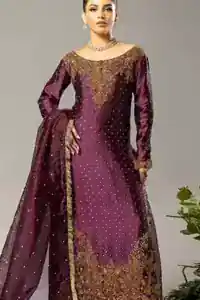
Deep Plum Long Shirt Straight Trousers
Sale! Original price was: £ 900.£ 540Current price is: £ 540. -
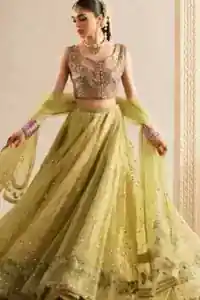
Pink Blouse Lime Green Lehenga Dupatta
Sale! Original price was: £ 1,500.£ 900Current price is: £ 900. -
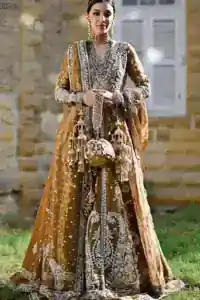
Copper Front Open Maxi Lehenga Dupatta
Sale! Original price was: £ 1,700.£ 1,020Current price is: £ 1,020. -
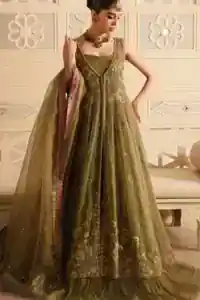
Olive Green Front Open Gown Crushed Lehenga
Sale! Original price was: £ 1,500.£ 900Current price is: £ 900. -
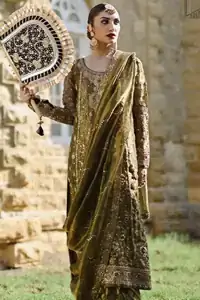
Olive Green Long Shirt Palazzo Pants Dupatta
Sale! Original price was: £ 1,350.£ 810Current price is: £ 810. -
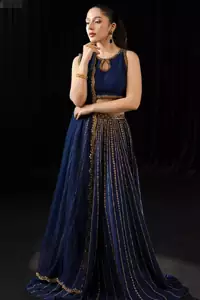
Navy Blue Lehenga Blouse Dupatta
Sale! Original price was: £ 1,200.£ 720Current price is: £ 720. -
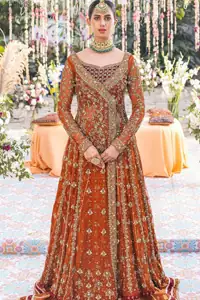
Rust Angrakha Farshi Lehenga Red Dupatta
Sale! Original price was: £ 2,100.£ 1,260Current price is: £ 1,260. -
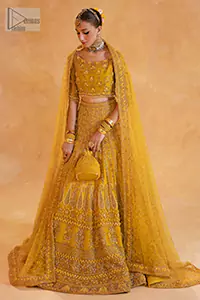
Mustard Lehenga Blouse Dupatta for Mehndi Bride
Sale! Original price was: £ 2,250.£ 1,350Current price is: £ 1,350. -
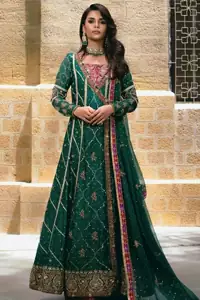
Bottle Green Angrakha Palazzo Pants Dupatta
Sale! Original price was: £ 1,600.£ 960Current price is: £ 960. -
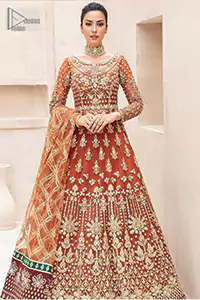
Rust Full Length Pishwas Lehenga Mehndi Bride
Sale! Original price was: £ 1,900.£ 1,140Current price is: £ 1,140. -
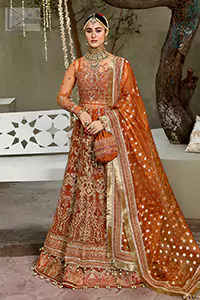
Rust Wide Flare Maxi – Lehenga for Mehndi Bride
Sale! Original price was: £ 1,900.£ 1,140Current price is: £ 1,140. -
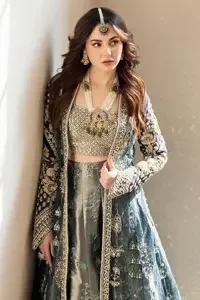
Teal Front Open Gown Blouse Lehenga
Sale! Original price was: £ 1,920.£ 1,152Current price is: £ 1,152. -
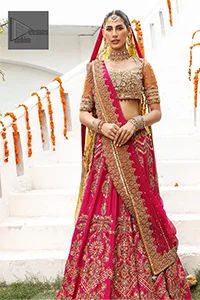
Rust Blouse – Shocking Pink Flared Lehenga n Dupatta
Sale! Original price was: £ 1,920.£ 1,152Current price is: £ 1,152. -
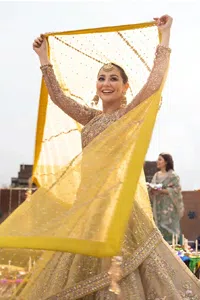
Tea Rose Blouse – Double Tone Lehenga – Yellow Dupatta
Sale! Original price was: £ 2,150.£ 1,290Current price is: £ 1,290. -
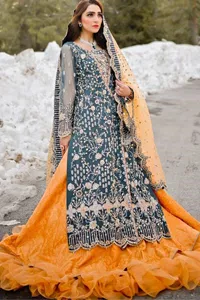
Teal Blue Scalloped Long Shirt – Frilled Lehenga n Dupatta
Sale! Original price was: £ 1,180.£ 708Current price is: £ 708. -
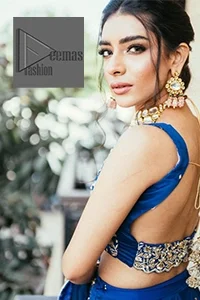
Royal Blue Blouse – Lehenga n Dupatta
Sale! Original price was: £ 1,450.£ 870Current price is: £ 870. -
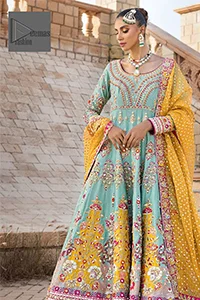
Turquoise Frock – Orange Lehenga n Yellow Dupatta
Sale! Original price was: £ 2,200.£ 1,320Current price is: £ 1,320. -
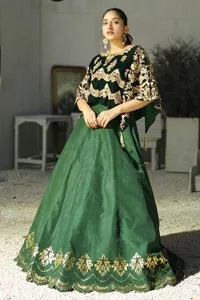
Deep Green Velvet Top n Scalloped Lehenga
Sale! Original price was: £ 420.£ 252Current price is: £ 252. -
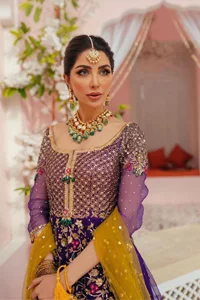
Plum Frock – Lehenga n Golden Dupatta
Sale! Original price was: £ 1,450.£ 870Current price is: £ 870. -
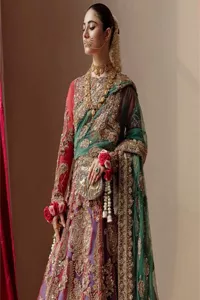
Multiple Colour Maxi – Sky Blue Lehenga n Green Dupatta
Sale! Original price was: £ 2,250.£ 1,350Current price is: £ 1,350. -
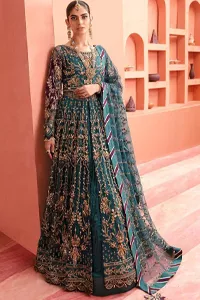
Teal Green Scalloped Pishwas – Lehenga n Dupatta
Sale! Original price was: £ 1,550.£ 930Current price is: £ 930. -
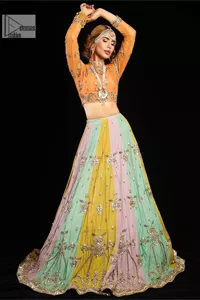
Light Orange Blouse – Multicolour Lehenga – Dupatta
Sale! Original price was: £ 1,680.£ 1,008Current price is: £ 1,008. -
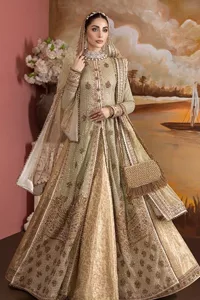
Pale Green Front Open Shirt – Golden Lehenga n Dupatta
Sale! Original price was: £ 2,250.£ 1,350Current price is: £ 1,350. -
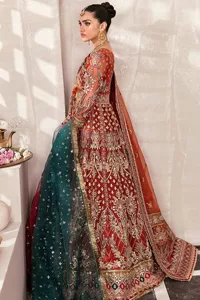
Deep Rust Heavy Angrakha n Lehenga – Green Dupatta
Sale! Original price was: £ 2,250.£ 1,350Current price is: £ 1,350. -
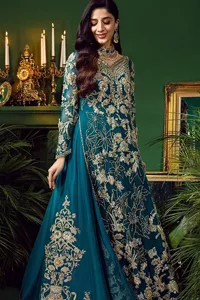
Teal Blue Scalloped Long Shirt – Lehenga n Dupatta
Sale! Original price was: £ 2,050.£ 1,230Current price is: £ 1,230. -
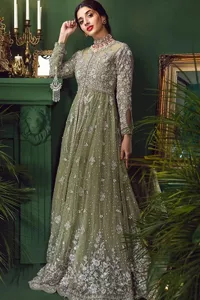
Soft Green Front Open Maxi – Lehenga n Dupatta
Sale! Original price was: £ 1,980.£ 1,188Current price is: £ 1,188. -
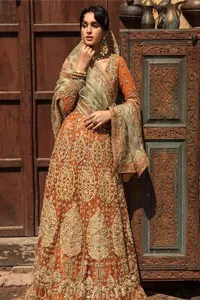
Rust Heavy Maxi n Soft Green Dupatta
Sale! Original price was: £ 1,950.£ 1,170Current price is: £ 1,170. -
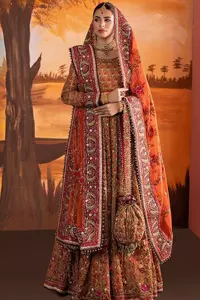
Rust Flare Heavy Maxi – Dupatta
Sale! Original price was: £ 2,400.£ 1,440Current price is: £ 1,440. -
![Take your style quotient up a few notches in this exquisite mehndi outfit! ]The maxi in mustard colour is a ravishing bridal attire with a magnificent elite and classy appearance. Gorgeous and glamorous multiple-colour embroideries enhance the showiness of this maxi. It is further intensified with tilla, dabka, kora, Kundan and details of thread embroidery. Full sleeves, boat shape neckline and sparkling work make it a perfect traditional wear. It is coordinated with a scalloped dupatta in the same colour which is embellished with four-sided borders and floral motifs all over to make this outfit unique and aesthetic.](https://deemasfashion.com/wp-content/uploads/2022/09/Mustard-heavy-maxi-dupatta-thumb.webp)
Mustard Heavy Maxi – Scalloped Dupatta
Sale! Original price was: £ 1,644.£ 987Current price is: £ 987. -
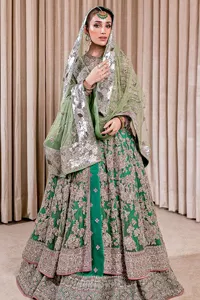
Teal Green Front Open Maxi – Lehenga n Dupatta
Sale! Original price was: £ 2,350.£ 1,410Current price is: £ 1,410. -
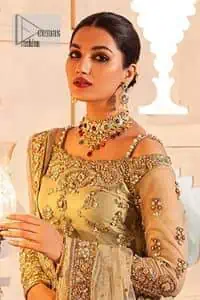
Olive Green Short Shirt – Double Layer Lehenga
Sale! Original price was: £ 1,080.£ 648Current price is: £ 648. -
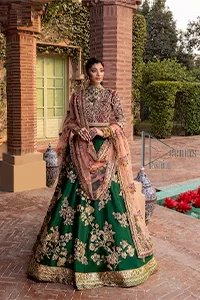
Red Blouse – Green Can Can Lehenga n Dupatta
Sale! Original price was: £ 2,000.£ 1,200Current price is: £ 1,200. -
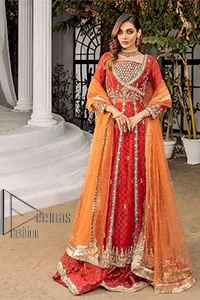
Red Anarkali – Lehenga – Rust Dupatta
Sale! Original price was: £ 1,150.£ 690Current price is: £ 690. -
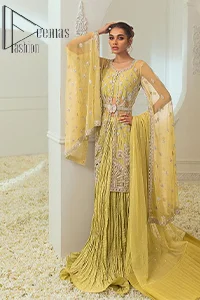
Olive Front Open Shirt – Crushed Sharara – Pleated Dupatta
Sale! Original price was: £ 1,150.£ 690Current price is: £ 690. -
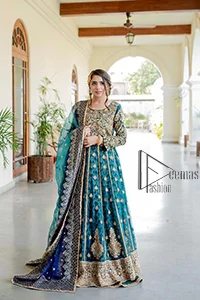
Teal Blue Paneled Anarkali – Brocade lehenga
Sale! Original price was: £ 2,050.£ 1,230Current price is: £ 1,230. -
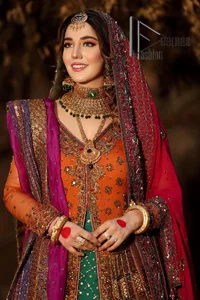
Rust Front Open Shirt – Green Lehenga – Colourful Dupatta
Sale! Original price was: £ 1,950.£ 1,170Current price is: £ 1,170. -
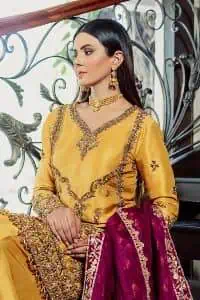
Yellow Shirt Straight Trousers – Magenta Dupatta
Sale! Original price was: £ 1,690.£ 1,014Current price is: £ 1,014. -
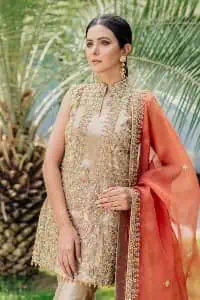
Ivory Short Shirt n Pant – Rust Dupatta
Sale! Original price was: £ 950.£ 570Current price is: £ 570. -
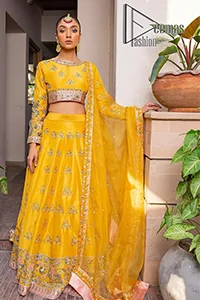
Bright Yellow Blouse Lehenga
Sale! Original price was: £ 1,250.£ 750Current price is: £ 750. -
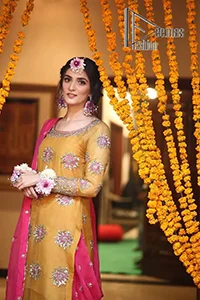
Mustard Shirt Gharara – Pink Dupatta
Sale! Original price was: £ 550.£ 330Current price is: £ 330.
A Gharara carries visual authority at a Mehndi because it organises movement. The fitted upper portion stabilises the body while the flared panels perform the celebration. In a London Mehndi, where the bride repeatedly rises, sits, and turns, this separation of function is critical. A poorly cut Gharara forces constant adjustment. A correct one allows the body to relax into the garment.
Khala’s verdict is direct. A Gharara dictates posture. When the waist is reinforced properly, the spine aligns naturally and the shoulders settle. You stop pulling at the dupatta. You stop checking the hem. The golden rule for a Mehndi is this: if the Gharara does not hold the waist firmly from the first hour, it will fail before the night ends.
Wedding Halls introduce predictable stress points. Flooring is smooth and offers little resistance. Chairs compress fabric repeatedly. Heat builds under lighting rigs. A Net Gharara must be light enough to manage temperature yet structured enough to resist collapse. In London, excessive flare increases friction against polished floors and slows movement. Weight must sit higher on the body, not at the hem.
Body architecture decides whether a Gharara flatters or fights the wearer. Pear shapes benefit from a higher joint that lengthens the leg visually. Apple shapes must avoid heavy Gotta Work at the stomach, which pulls the eye inward. Hourglass frames can carry balanced embellishment with ease. Petite women should avoid double layer flare. It shortens the frame and overwhelms scale. Opt for a single layer Gharara to elongate the body. Tall women can afford deeper flare without distortion.
What are the trending Mehndi dress styles for this season?
The strongest trend is disciplined tradition. Net Ghararas with controlled flare dominate because they reduce drag. Gotta Work is concentrated around the waist and knee break rather than the hem. This placement reinforces the garment instead of burdening it. Trends that ignore venue physics look impressive briefly and then deteriorate. Current styling favours longevity over spectacle. Movement exposes everything. During a Mehndi, Net should sway and then recover. It should flare outward during turns and recoil cleanly when still. It must never collapse around the ankles. This answers the ongoing debate between traditional and modern fusion. Modern gowns cling and drag on flat flooring. A properly engineered Net Gharara outperforms them in comfort, control, and dignity. At Deemas Fashion, we use internal canvas layers at the waist and reinforced seams at the flare joint. This prevents downward creep caused by dense Gotta Work. The garment moves with the body rather than resisting it. Tradition remains functional because it is engineered, not romanticised.- High filament Net selected to avoid leg grip.
- Net thread count tested for tensile recovery.
- Grip Silk lining used to prevent skin irritation.
- Atal lining avoided due to heat retention.
- Canvas reinforcement inserted at waistband.
- Bukram width calibrated to flare diameter.
- Hem weighting adjusted to control swing.
- Zardozi anchored with double locking stitches.
- Seam allowances increased at stress zones.
- Inner thigh panels softened for comfort.
- Waist hooks reinforced for repeated movement.
| Fabric Type | Weight Class | Wedding Hall Risk Factor | Drape Character |
|---|---|---|---|
| Net | Light | Low | Fluid |
| Raw Silk | Medium | Medium | Structured |
| Velvet | Heavy | High | Stiff |
| Chiffon | Light | Medium | Loose |
What are the best colors to wear to a Mehndi? Are bright colors like yellow, green, and pink mandatory?
Bright colours are optional. Balance is mandatory. On shorter frames, extreme contrast breaks vertical continuity. On taller frames, layered colour adds dimension. The fall of Net changes with height. Taller bodies allow longer recovery. Shorter bodies require quicker recoil to avoid visual heaviness. A Mehndi Gharara should not retire after one event. With correct construction, it transitions into post wedding dinners when paired with a shorter top or a softer dupatta. This is wardrobe planning rooted in craft, not impulse. For brides planning continuity across ceremonies, explore Gotta Work Nikah dresses built with the same structural discipline and respect for fabric behaviour.Showing 1–40 of 183 resultsSorted by latest